Drug abuse
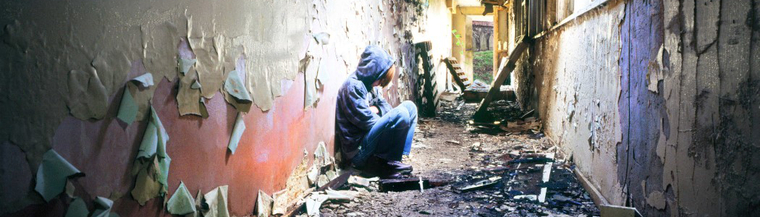
Drug abuse
Drugs abuse can affect the lives of those caught up in it in ways they might not expect. It can affect health, relationships, job and education. Recognising there is a problem with drugs is an important first step in seeking help and treatment.
Drug addiction can be treated, but it’s important that the person using drugs seeks help and support to figure next steps, rather than trying to deal with it on their own.
Drug abuse is often associated with illicit drugs such as speed, ice (crystal meth) or heroin, but prescription or over-the-counter medicines can also be abused, as can alcohol.
More than 3 million Australians use an illicit drug and about 1 million misuse a pharmaceutical drug every year. More than 40% of Australians over 14 have used an illicit drug in their lifetime, and illicit drugs are used by more than a quarter of people in their 20s each year.
People from all walks of life take illicit drugs, and the type of drug they use can depend on their socioeconomic status including things like their cultural background, where they live and what their income is.
Risks associated with drugs abuse include physical and mental health problems, personal relationship issues, work and financial problems, and drug addiction.
Illicit drugs and the law
People who use illicit drugs can also get into legal trouble. Australia’s drug laws cover using, possessing and selling drugs, and driving while under their influence. Penalties include fines, being disqualified from driving and even going to jail. Some states have random roadside testing for cannabis and amphetamines.
Drug addiction
Regular or continued use of a drug can lead to a drug addiction. Addiction is a physical or psychological need to use a substance, often caused by regular continued use. The likelihood of addiction depends on factors related to the type of drug and the individual person. Signs of addiction can include:
- being uncomfortable if you don’t have drugs or needing more of the substance to experience the same effects
- not being able to quit
- avoiding people who don’t use drugs, and withdrawing from family and friends
- having problems with relationships, at school or work
- using drugs to cope emotionally, socially or physically
- participating in dangerous activities due to drug use, such as driving under the influence of drugs
- lying about how much you are using
- financial problems associated with buying drugs
- selling belongings or stealing from others to pay for drugs
- having withdrawal symptoms
- being dependent on the drug
- feeling anxious, angry or depressed
- losing weight
Where to get help
The first step is recognizing there is a problem with drugs. If you have a problem, you could try talking to someone such as a family member, teacher or doctor about what to do next. If you’re concerned about someone else, find out how you can help them with their drug problem.
You can call Lifeline on 13 11 14 or Drug-info on 1300 85 85 84 if you need to talk to someone about drugs abuse, addiction and rehabilitation.
Last reviewed: January 2019
Comments
Post a Comment